Diamonds have fascinated people for centuries. Whether it’s an engagement ring, a luxury necklace, or an investment piece, diamonds are often associated with beauty, wealth, and timeless elegance. But have you ever wondered why diamond is so expensive?
Many people assume that diamonds are expensive simply because they are rare. While rarity plays an important role, it is only one piece of the puzzle. The price of a diamond is influenced by several factors, including mining costs, quality, global demand, craftsmanship, certification, and branding.
In this guide, we’ll explain why diamond is so expensive, what determines its value, and whether buying a diamond is worth the investment.
Table of Contents
What Makes Diamonds Valuable?
Diamonds are made from pure carbon that forms under extreme heat and pressure deep inside the Earth’s mantle. This natural process takes between one and three billion years, making natural diamonds one of the oldest materials on Earth.
However, age alone doesn’t determine value. A combination of limited supply, exceptional durability, and consumer demand contributes to high diamond prices.
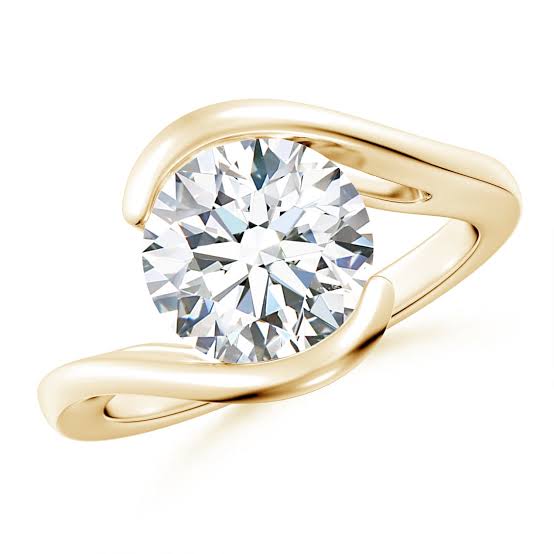
The Main Reasons Why Diamond Is So Expensive
1. Natural Diamonds Are Rare
One of the biggest reasons why diamond is so expensive is its rarity.
Although diamonds exist in many parts of the world, gem-quality diamonds suitable for jewelry are relatively uncommon. Mining companies process tons of rock to recover a small amount of rough diamonds, and only a fraction are suitable for high-end jewelry.
The limited availability of high-quality diamonds naturally increases their value.
Contact Us for more details
2. Diamond Mining Is Extremely Expensive
Finding diamonds isn’t easy.
Mining companies invest billions of dollars in exploration, equipment, employee safety, transportation, and environmental management before a single diamond reaches the market.
Major expenses include:
- Geological exploration
- Heavy mining equipment
- Skilled labor
- Fuel and electricity
- Transportation
- Environmental restoration
- Government royalties and taxes
These costs are reflected in the final retail price.
3. The 4Cs Determine Diamond Price
The internationally accepted standard for grading diamonds is known as the 4Cs.
Carat
Carat measures the diamond’s weight.
Larger diamonds are significantly rarer than smaller ones. As carat weight increases, the price often rises exponentially rather than proportionally.
Cut
Cut determines how well a diamond reflects light.
A well-cut diamond appears brighter, more brilliant, and more attractive than a poorly cut stone, even if both have the same carat weight.
Color
The most valuable white diamonds have little to no color.
The closer a diamond is to being colorless, the higher its market value.
Clarity
Clarity refers to the number of natural imperfections inside or on the surface of a diamond.
Diamonds with fewer inclusions are rarer and therefore more expensive.

Supply and Demand Play a Major Role
Like any luxury product, diamond prices are influenced by supply and demand.
Global demand increases during:
- Wedding seasons
- Festivals
- Holiday shopping
- Luxury gifting
- Economic growth
When demand rises faster than supply, prices naturally increase.
Diamonds Require Skilled Cutting and Polishing
A rough diamond doesn’t resemble the sparkling gemstone found in jewelry stores.
Highly trained artisans spend hours or even days cutting and polishing each diamond.
Every cut must maximize:
- Brilliance
- Fire
- Sparkle
- Symmetry
A small mistake during cutting can reduce a diamond’s value significantly.
Certification Adds Value
Certified diamonds generally command higher prices because buyers trust their authenticity and grading.
Independent gemological laboratories evaluate:
- Weight
- Color
- Cut
- Clarity
- Measurements
Certification provides confidence that the buyer is receiving exactly what they are paying for.
Marketing Has Increased Diamond Demand
The diamond industry has successfully positioned diamonds as symbols of love, commitment, and luxury.
Engagement rings, anniversary gifts, and milestone celebrations have strengthened consumer demand worldwide.
This emotional value contributes to why diamonds continue to command premium prices.
Diamonds Are Extremely Durable
Diamonds are the hardest naturally occurring material known, scoring 10 on the Mohs hardness scale.
Their durability makes them ideal for everyday jewelry because they resist scratches better than most gemstones.
This long-lasting nature adds to their perceived value.
Luxury Branding Increases Prices
Luxury jewelry brands often sell diamonds at significantly higher prices.
Customers are not only purchasing the gemstone but also paying for:
- Brand reputation
- Exclusive designs
- Superior craftsmanship
- Premium customer service
- Luxury packaging
The same quality diamond may cost considerably more from a famous luxury jeweler than from an independent retailer.
Natural Diamonds vs. Lab-Grown Diamonds
Lab-grown diamonds look almost identical to natural diamonds and have the same chemical composition.
However, they are generally more affordable because they can be produced in controlled environments without costly mining operations.
Natural diamonds continue to command higher prices due to their geological origin, rarity, and long-standing market perception.
Is Diamond Really Rare?
This question often surprises many buyers.
Diamonds themselves are not exceptionally rare. What is rare are high-quality diamonds with excellent cut, clarity, color, and larger carat sizes.
This distinction explains why some diamonds cost a few hundred dollars while others sell for millions.
Are Diamonds a Good Investment?
Many people purchase diamonds hoping their value will appreciate over time.
In reality, diamonds should primarily be considered luxury purchases rather than guaranteed investments.
Some exceptionally rare diamonds can appreciate significantly, but ordinary commercial diamonds may not generate high resale returns.
If your primary goal is investment, consult a financial advisor and research the market carefully before making a purchase.